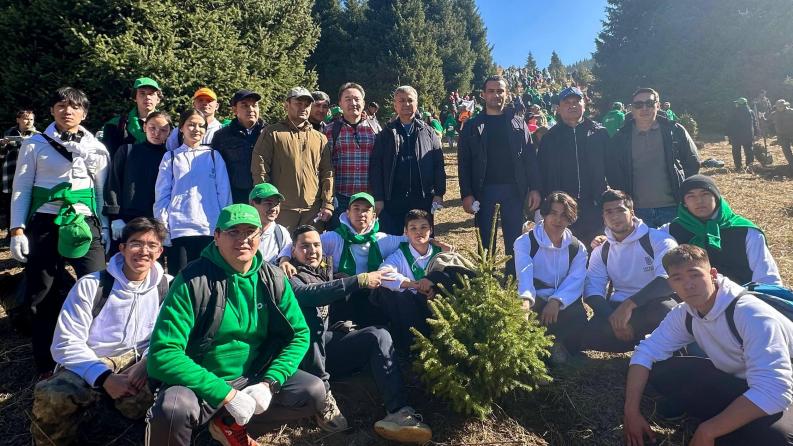
SDG 15. Life on Land
Satbayev University's contribution to achieving SDG 15 is linked to geoecology, land monitoring, rational use of natural resources, mining, waste management, territorial restoration, and assessment of industry's impact on ecosystems. This direction is particularly natural for the university, as its scientific and educational profile is based on strong schools in geology, hydrogeology, geoecology, and mining and metallurgy.

What does this mean for Satbayev University
Satbayev University reveals SDG 15 not only through a general environmental and geological agenda but also through specific studies of territories that are strategically important for ecosystem sustainability and population quality of life.
Sustainable environment
For Satbayev University, a sustainable environment under SDG 15 means not only environmental declarations but also the presence of a strong institutional base. The university relies on schools in geology, hydrogeology, geoecology, and mining, as well as the related educational and research directions. This allows the sustainable environment to be viewed as a space where scientifically based decisions are made on the protection of land, groundwater, landscapes, and natural-technogenic systems.
A good example of this approach is the study of the Kokzhide massif. The Kokzhide massif is considered a strategic reserve of fresh groundwater in western Kazakhstan and simultaneously a territory where environmental, hydrogeological, and economic interests intersect. The university's contribution to a sustainable environment lies in the scientific assessment of technogenic load, vulnerability of aquifers, pollution risks, and the development of solutions for the long-term preservation of the territory and provision of quality drinking water to the population.
Research
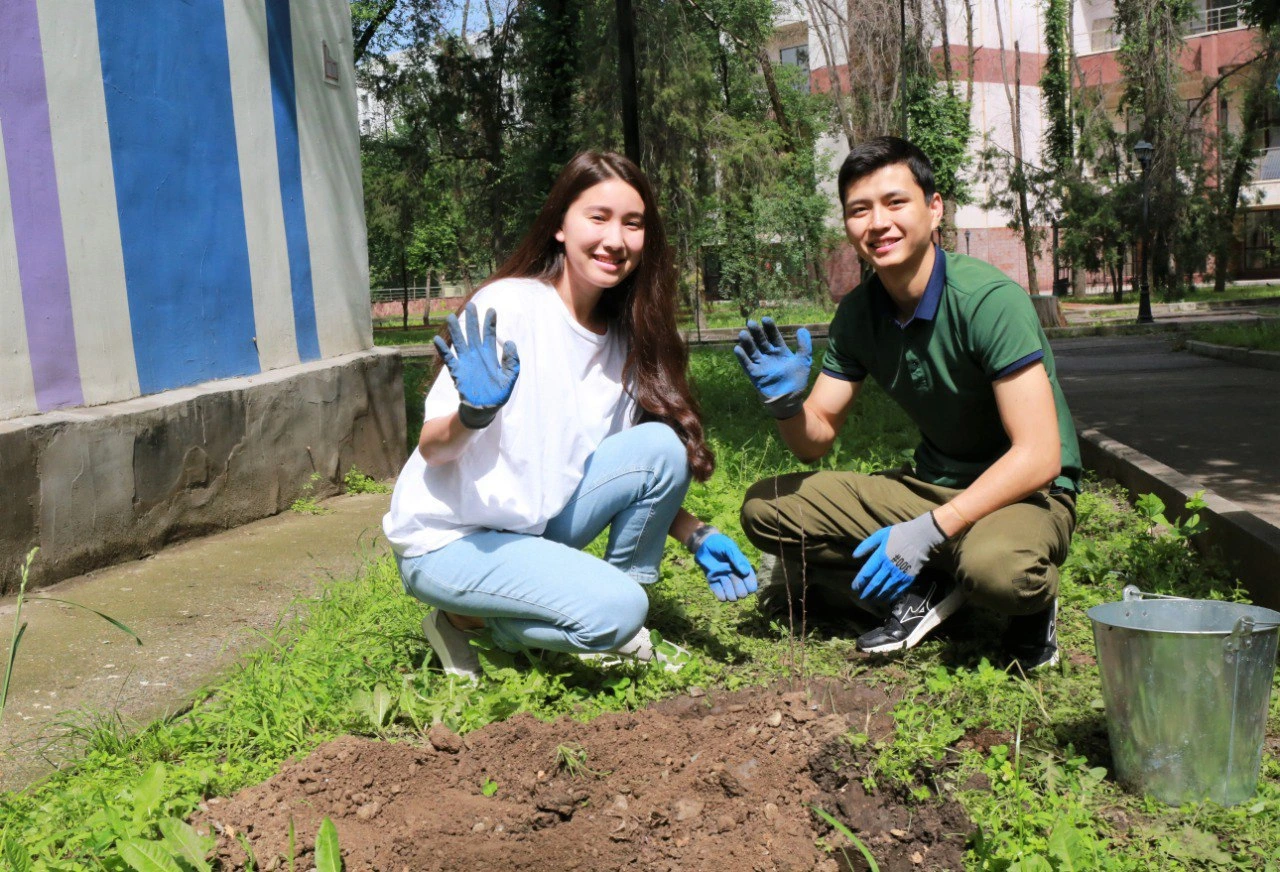
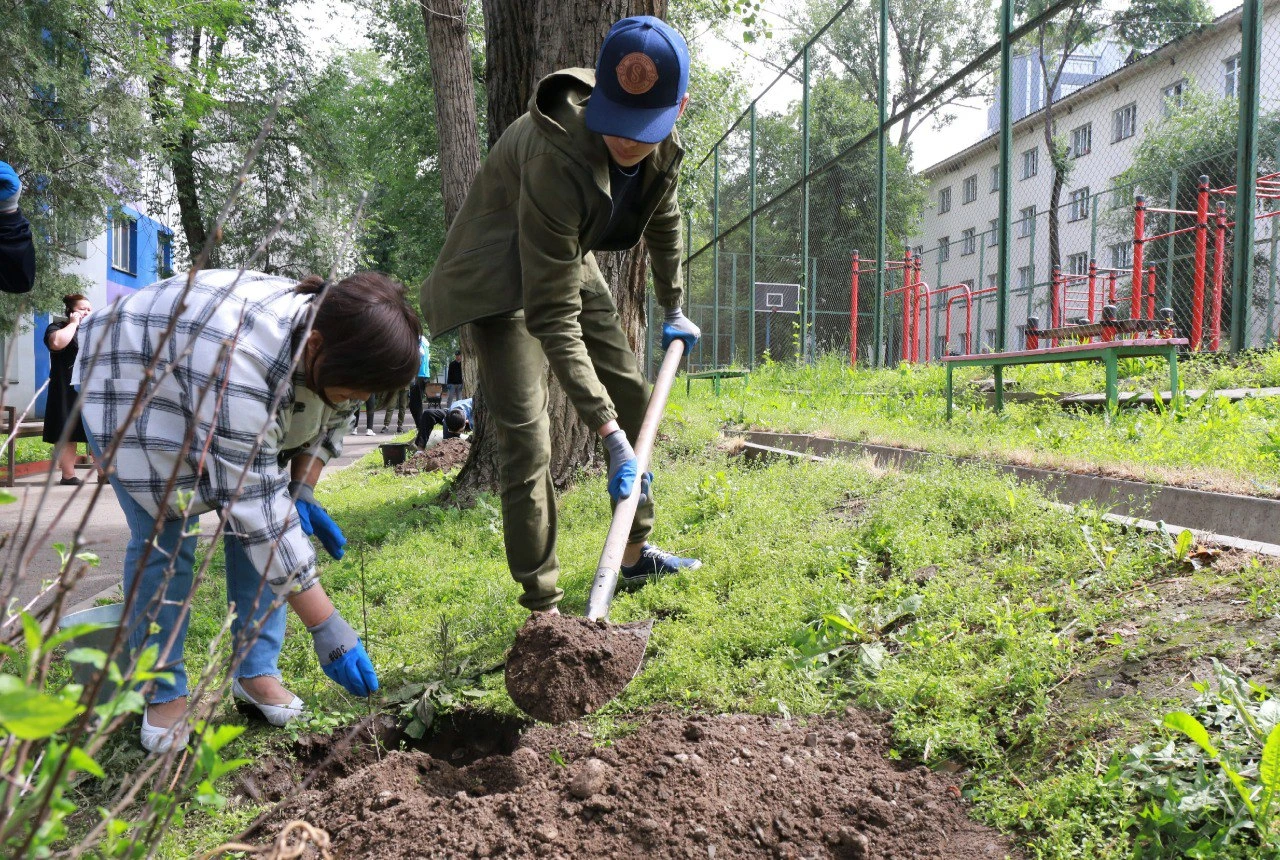
Satbayev University implements SDG 15 in research through the development of scientific directions in geoecology, hydrogeology, territorial monitoring, processing of technogenic waste, greening of mining and metallurgical production, and rational natural resource use. Satbayev University's research is focused on solving industrial and sustainable development challenges, and among major projects are initiatives for processing technogenic waste, developing environmentally friendly technologies for the mining and metallurgical complex, and applied environmental solutions.
A strong example of Satbayev University's research contribution to SDG 15 is the mega-project on developing a sustainable construction industry through the introduction of innovative technologies and processing of technogenic waste based on the scientific and production platform TECHNOPARK STROYTECH. In the logic of SDG 15, this can be interpreted as research work aimed at reducing the burden on natural resources, reusing waste, and reducing the negative impact of production on land ecosystems.
Education
Satbayev University's contribution to SDG 15 is also related to the fact that the university develops training and scientific competencies in Hydrogeology and Geoecology. The doctoral program explicitly states key theoretical aspects of geology, hydrogeology, and engineering geology, including resource exploration and assessment, study of the geological environment, and solving applied problems related to natural systems and their sustainable use. This strengthens the university's position as a scientific platform working at the intersection of geosciences and land ecosystem conservation.
Doctoral program "Hydrogeology and Geoecology"This is also related to training personnel in geological mapping, geospatial analysis, territorial monitoring, and assessing the impact of economic activities on the natural environment. The university's role is emphasized in areas such as geological survey, mineral deposit exploration, and geology and exploration of mineral deposits, which helps build a scientific base for more sustainable management of territories, subsoil, and natural landscapes.
Educational program "Geology and Exploration of Mineral Deposits"