SDG 7. Affordable and Clean Energy
Satbayev University makes a significant contribution to SDG 7 through energy, new materials, energy efficiency, renewable energy sources, and training specialists for the energy transition. The university offers relevant educational programs and research directions — from thermal and nuclear energy to digital energy and alternative energy.

What does this mean for Satbayev University
The university develops research and education for low-carbon energy, energy saving, engineering systems, energy materials, and future infrastructure.
Sustainable environment
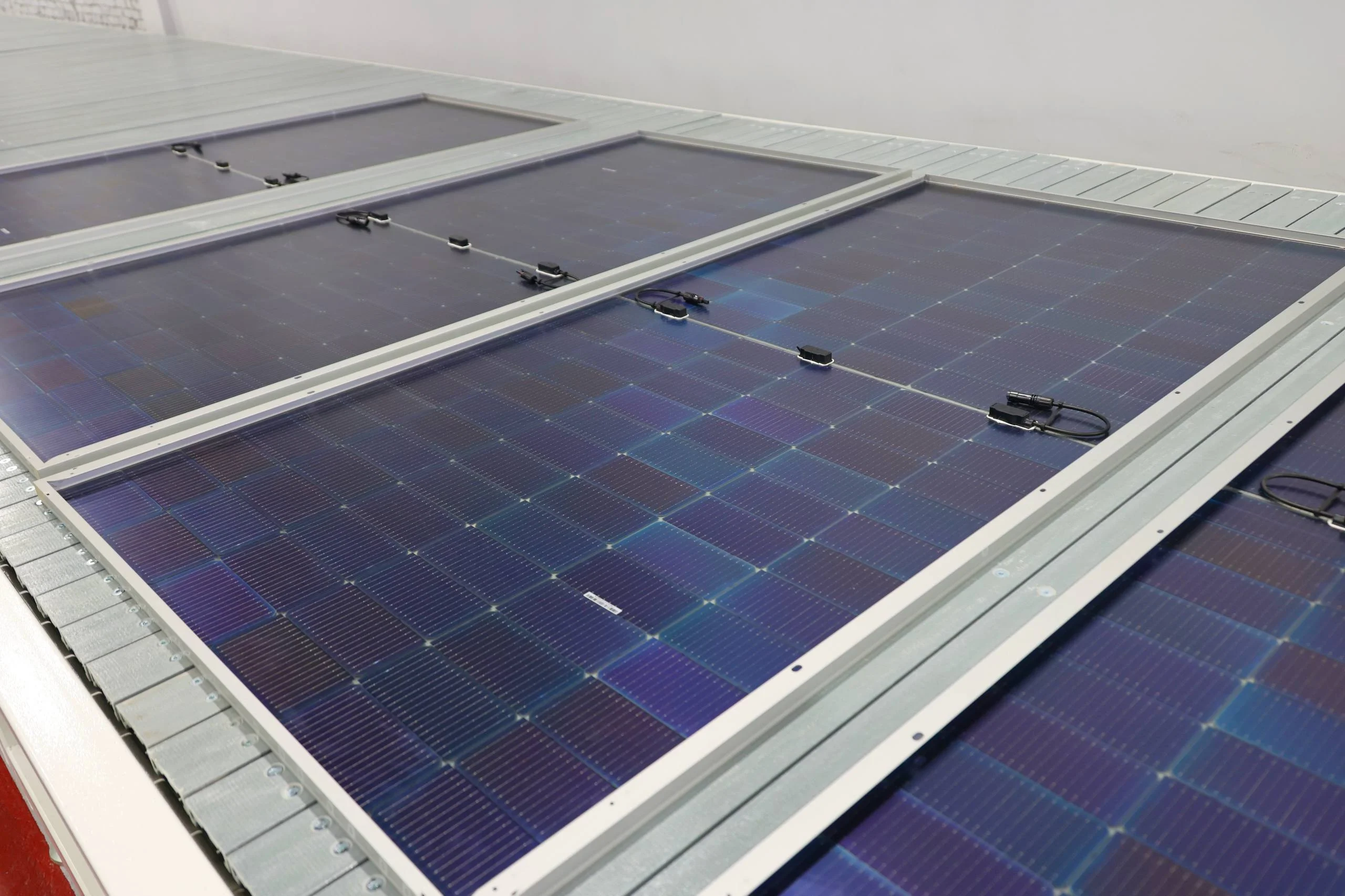
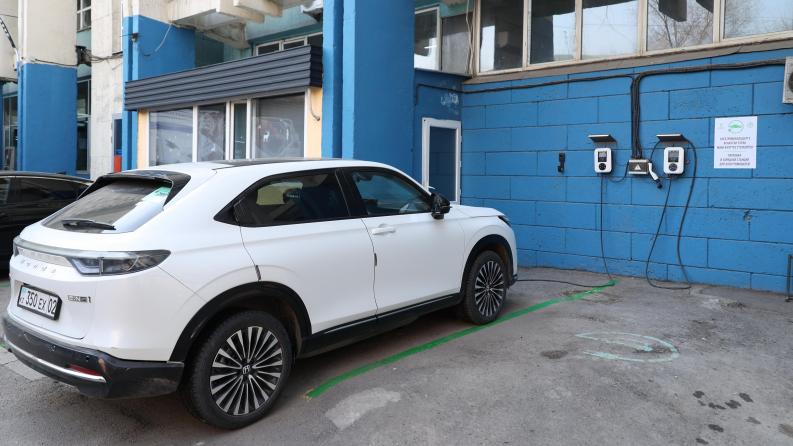
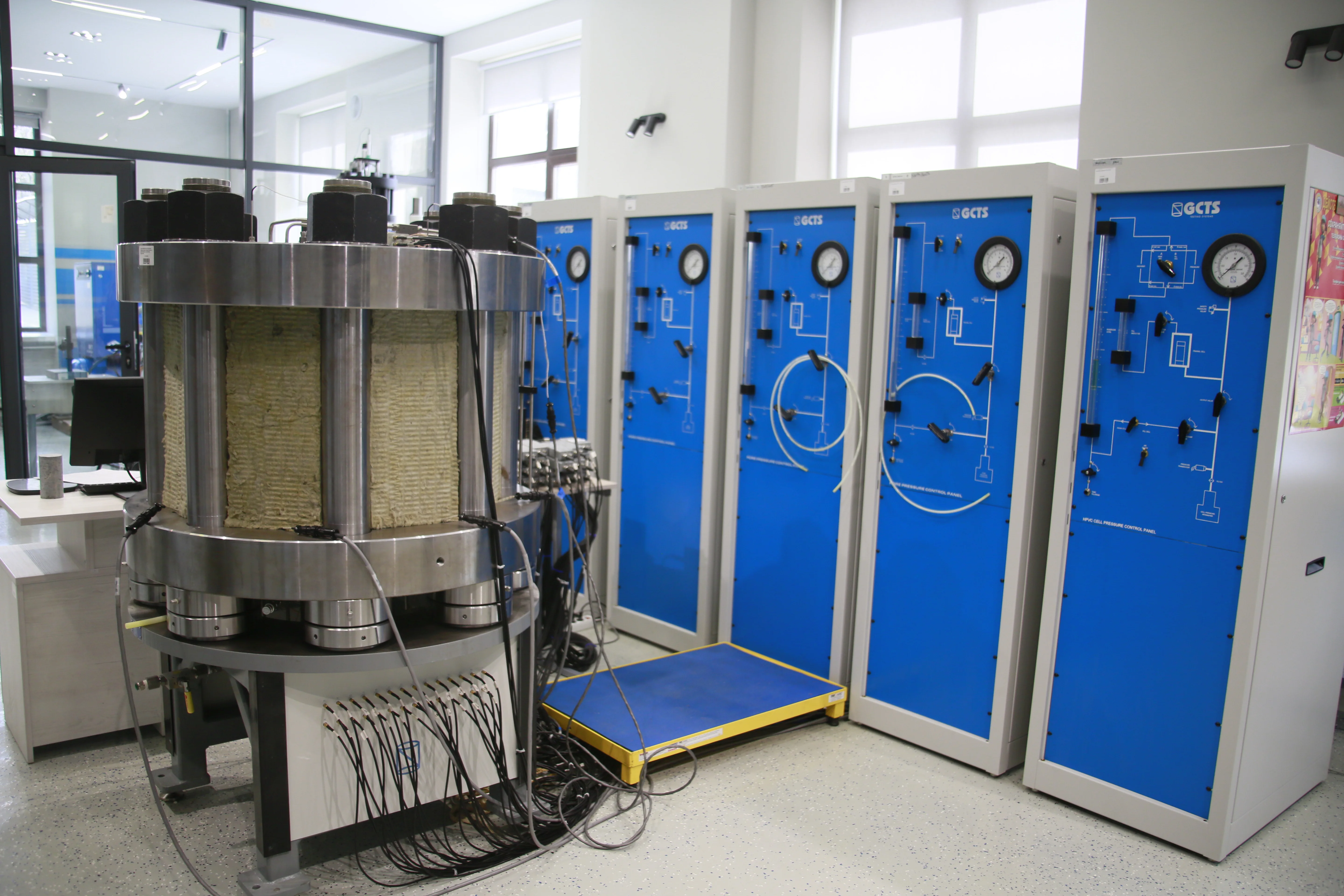
Satbayev University contributes to achieving SDG 7 by creating a sustainable university environment based on the principles of energy efficiency, resource conservation, and renewable energy development. The university supports research and applied projects in clean energy, develops laboratory infrastructure for renewable energy sources, and implements elements of energy-efficient infrastructure, including solutions related to solar energy. This approach allows Satbayev University to build a campus where sustainable energy consumption becomes part of the educational, research, and engineering environment.
Check out our Green Campus page We create solar panels We develop a hydroelectric energy system for electricity generation We provide electric charging stations and parking spaces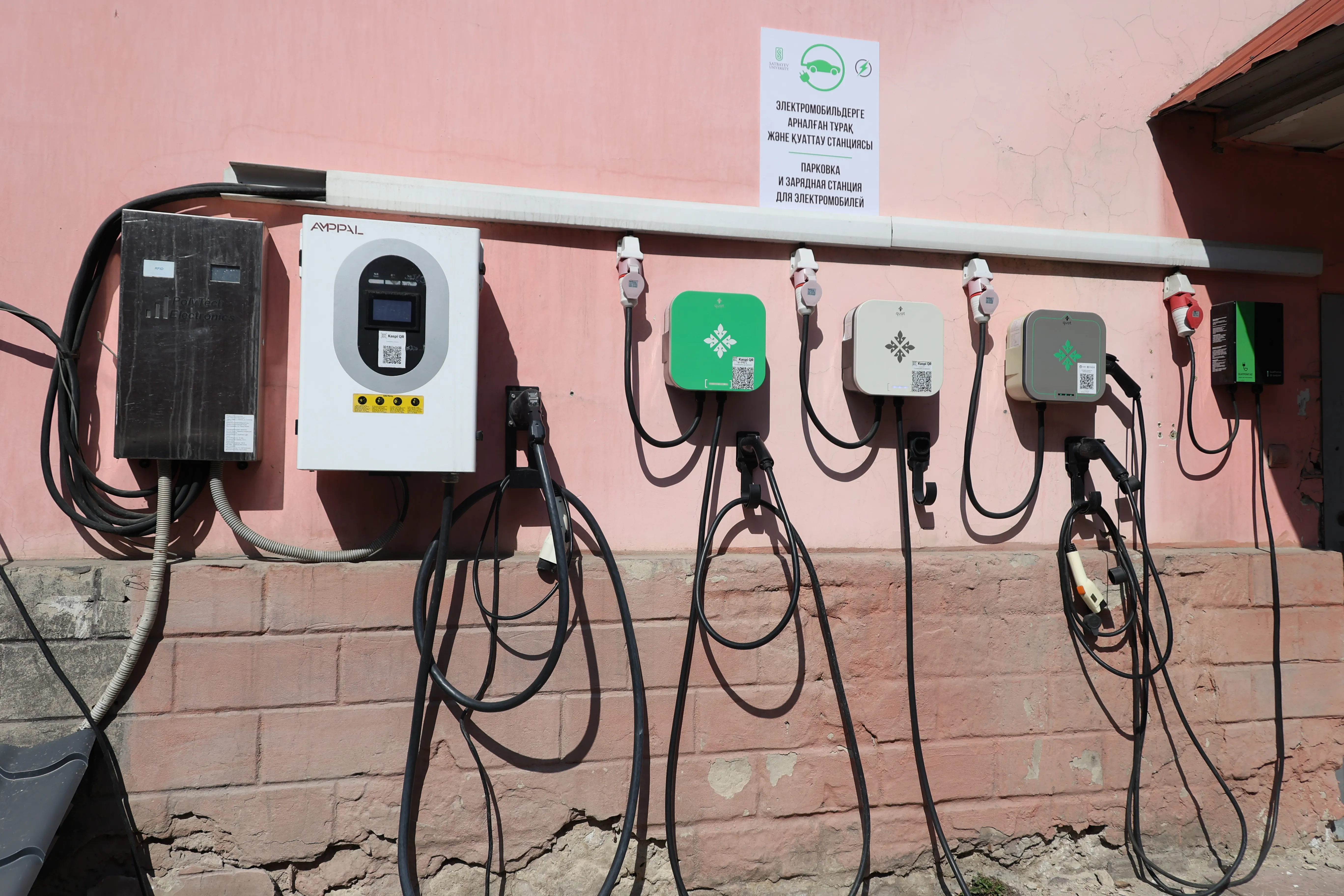
Research
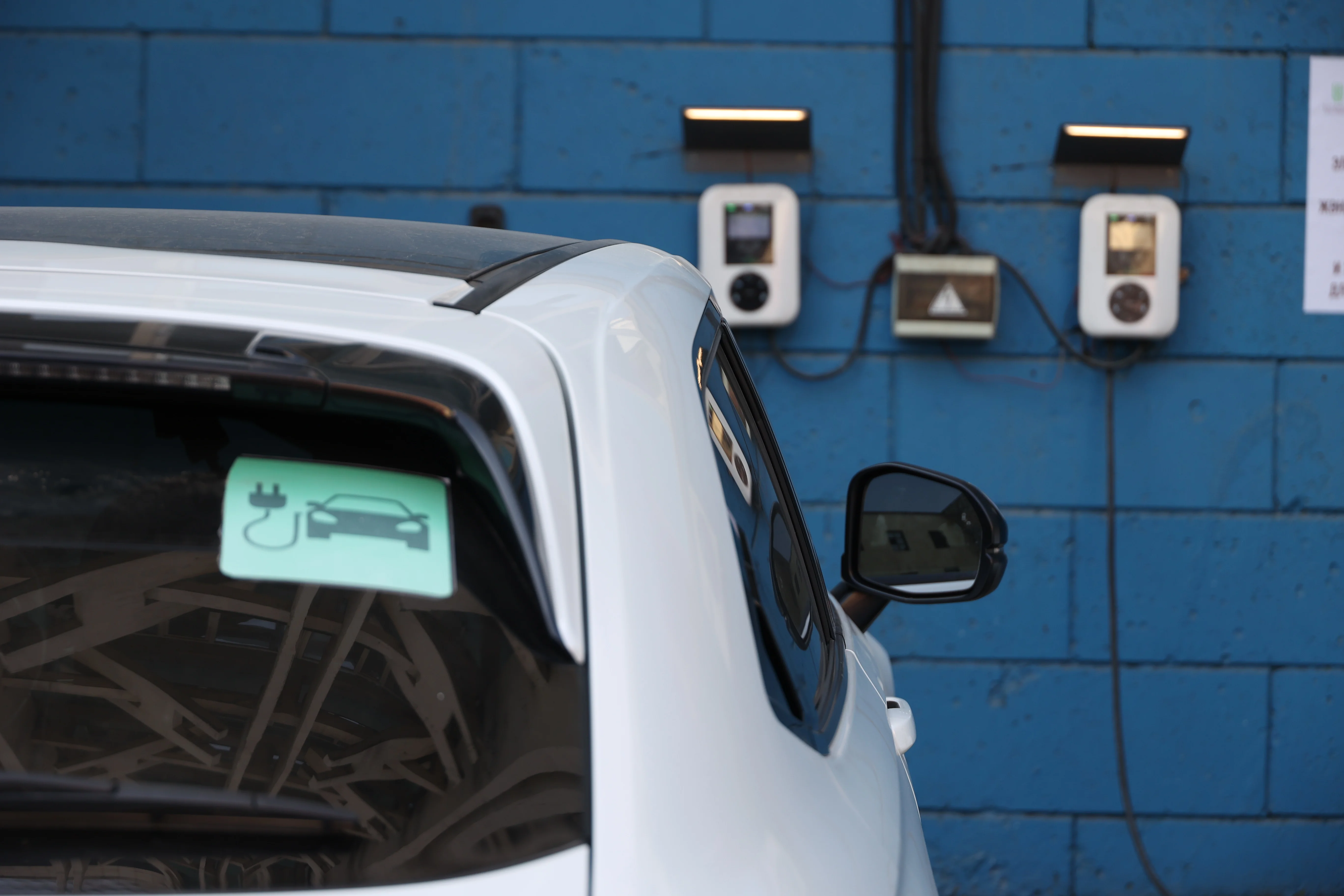
For SDG 7, Satbayev University develops applied and engineering science in the fields of renewable energy, autonomous power supply systems, photovoltaic solutions, and new materials for energy. A strong example is the project to create an autonomous power supply system for remote regions of Kazakhstan based on renewable energy sources, which examines hybrid systems using solar, wind, and hydropower. Another important direction is the development of a cooling system for a photovoltaic roof panel, relevant for the hot climate of southern Kazakhstan. The university’s research contribution is also evident through the project on advanced composite materials for energy and the fuel cycle, while publications in the university repository cover the efficiency of solar power plants, integration of renewables into the power system, geothermal resources, and modern materials for batteries.
Examples of our other projects Examples of our publicationsEducation
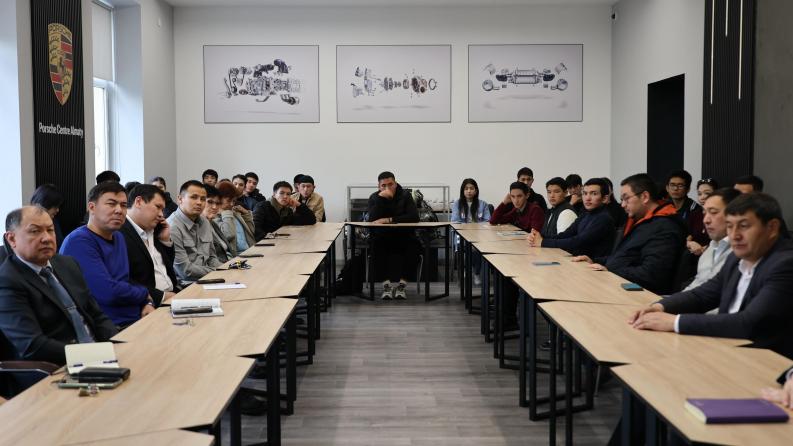
The university trains specialists for the development of sustainable, affordable, and clean energy through multi-level programs in energy, thermal power engineering, digital energy, and sustainable energy systems. The Department of Power Engineering offers programs in Power Engineering, Heat Power Engineering, and Digital intelligent sustainable energy systems. The university’s contribution to SDG 7 through education is reflected in the fact that students receive training not only in classical energy fields but also in modern topics related to digitalization of the sector, energy saving, and renewable energy sources. The practical component is strengthened by the laboratory base, including the comprehensive Renewable Energy Sources laboratory.