SDG 17. Partnerships for the Goals
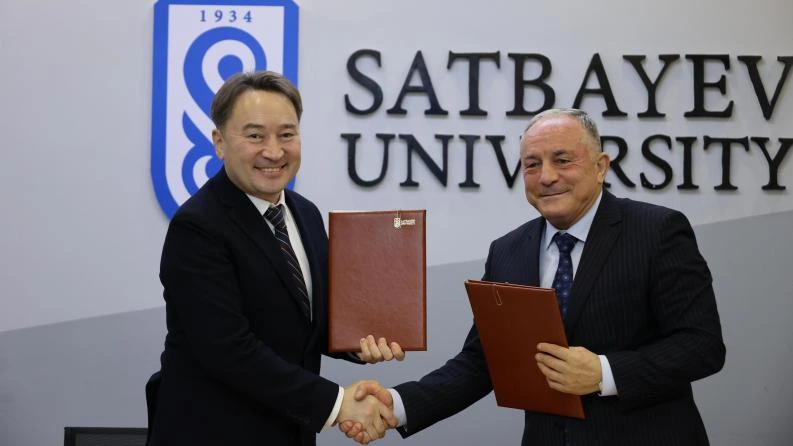
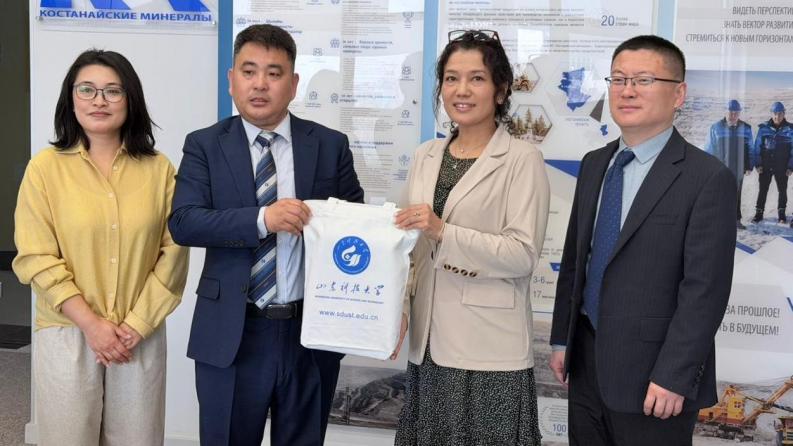
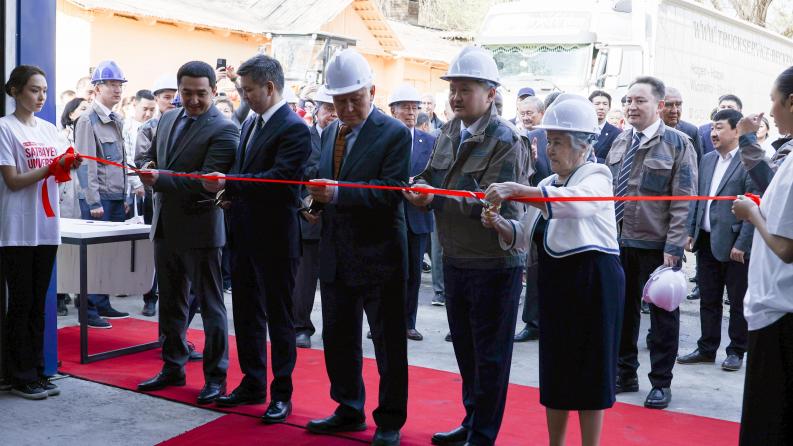
Partnerships are one of the system-forming mechanisms of Satbayev University's SDG agenda. The SDG Project Office explicitly states cooperation with domestic and foreign universities, research centers, NGOs, businesses, and government bodies, and the university participates in international formats and develops regional ties.

What does this mean for Satbayev University
The implementation of the SDGs, as well as the creation of unique educational opportunities, is impossible without collaborations, so the university builds partnerships for research, educational projects, grants, international programs, ESG training, and student initiatives.
Sustainable environment
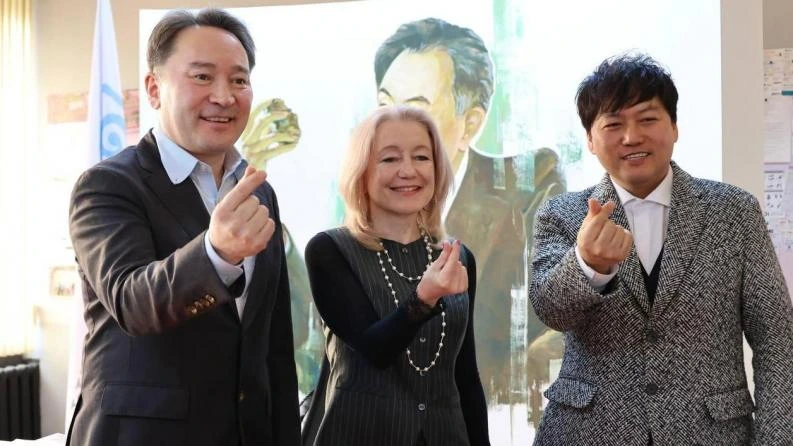
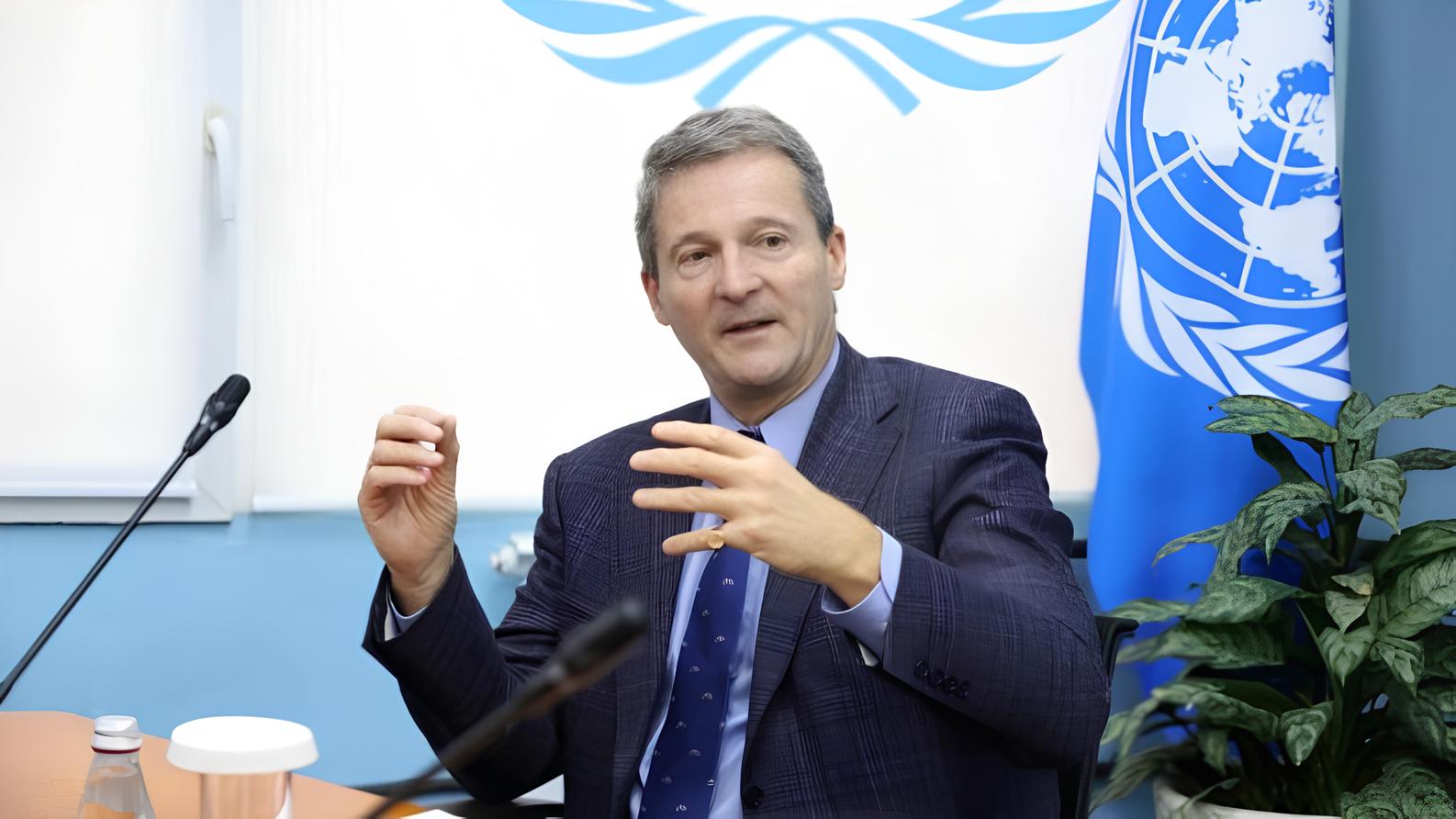
Satbayev University actively develops cross-sectoral, interregional, and international partnerships aimed at strengthening the university's potential as a center for sustainable development and scientific-educational cooperation. These ties serve as an important mechanism for implementing complex projects, exchanging knowledge, and expanding the university's influence both nationally and globally. The consideration of partnerships with the UN and regional institutions is also reflected in the signed memorandum of cooperation with the UN Regional Office in Kazakhstan, where the parties agreed to develop joint research projects, hold conferences and educational events, and involve students in internships at UN agencies. This cooperation not only strengthens the university's scientific potential but also builds mutual trust and institutional ties with international structures.
Through active participation in international alliances, associations, and joint projects, Satbayev University:
✔ expands its network of partners for implementing interdisciplinary scientific and educational initiatives;
✔ attracts international resources, expertise, and best practices for sustainable development;
✔ ensures knowledge exchange between academic institutions, businesses, NGOs, and government bodies;
✔ creates platforms where students and young professionals can participate in solving global challenges together with key international structures.
These approaches strengthen trust and institutional sustainability, supporting collective efforts to achieve SDG 17 and creating a foundation for sustainable development both within the university and in the broader socio-economic context.
Research
Satbayev University actively develops research projects and initiatives based on international and cross-sectoral cooperation that contribute to achieving SDG 17. An example is the university's participation in the European Union's ninth framework program for research and innovation (2021–2027) with a budget of €95.5 billion. It is aimed at developing advanced science, climate neutrality, digitalization, and strengthening Europe's competitiveness, allowing organizations from many countries around the world, including Central Asia, to participate. Furthermore, Satbayev University became the national coordinator of the European Union's framework program for science and innovation Horizon Europe in Kazakhstan, winning an international competition for thematic coordinators.
Education
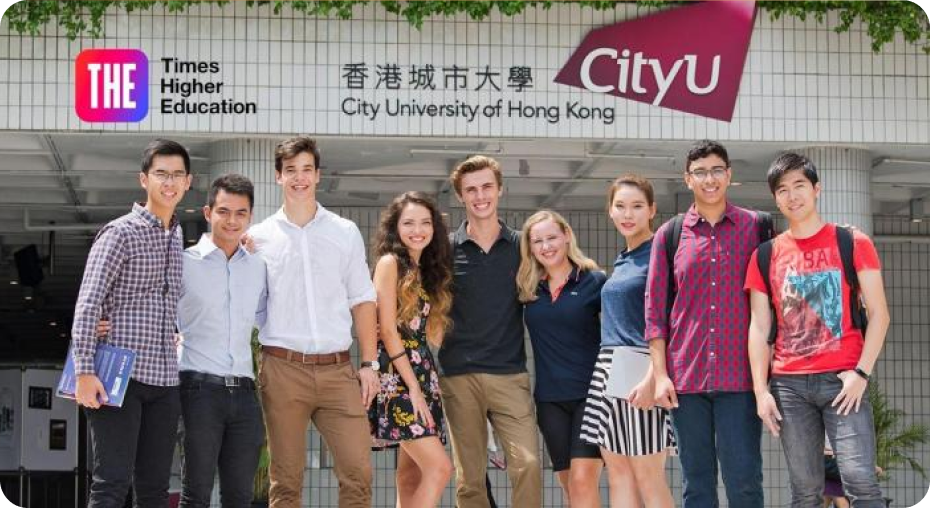
To increase the competitiveness and sustainability of its educational programs, Satbayev University launched a number of international dual-degree programs in collaboration with leading global research centers such as Penn State, City University of Hong Kong, University of Exeter, University of Glasgow, SKKU, Colorado School of Mines, and others. Additionally, a branch campus of City University of Hong Kong has been opened at Satbayev University, offering bachelor's and master's degree programs in Computer Science, Material Science, and Civil Engineering.
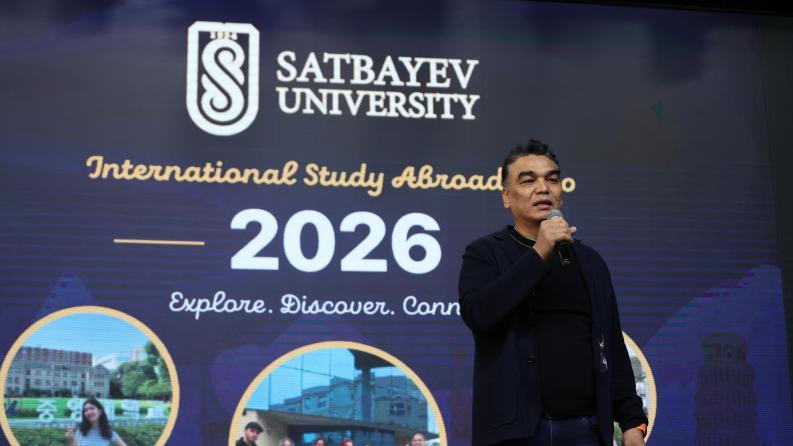
More about the branch campusTo attract international students, 23 educational programs are offered in English at the Institute of Automation and Information Technologies, Institute of Geology and Oil and Gas Business, Institute of Project Management, and Institute of Energy and Mechanical Engineering. At the same time, university students and faculty have the opportunity to study through academic mobility and faculty exchange at partner universities in Europe under the large-scale European Union Erasmus+ program.
List of joint educational programs and dual-degree programs