SDG 5. Gender Equality
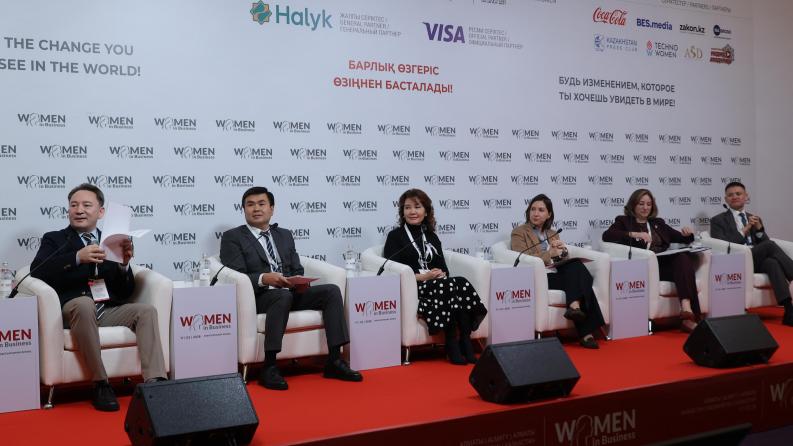
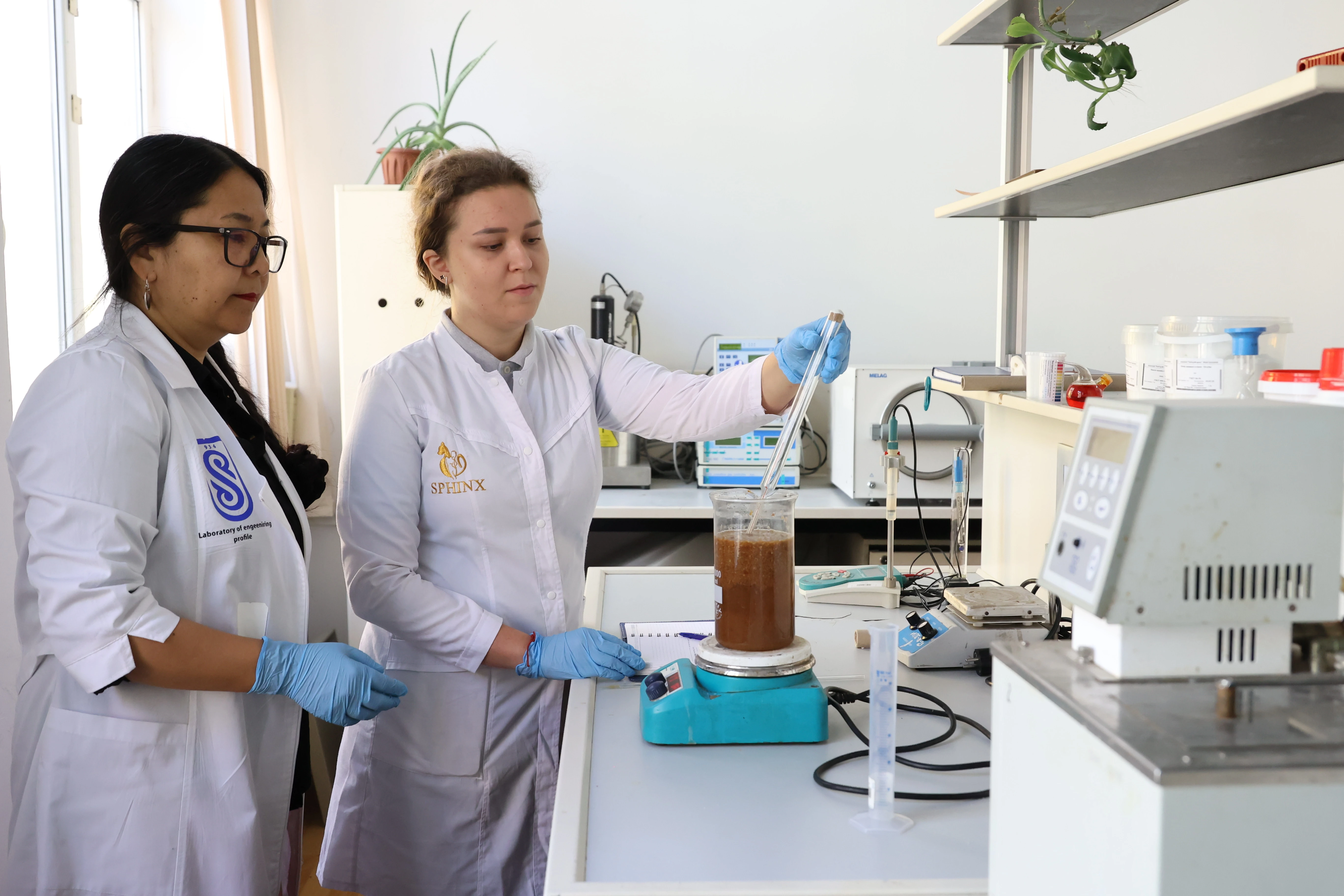
Satbayev University views gender equality as part of its equal opportunities, diversity, and inclusion policy. The university enforces anti-discrimination standards, gender-sensitive approaches in education, open hiring and promotion procedures, and mechanisms for addressing complaints regarding unequal treatment, bullying, and harassment. 58% of university employees are women. Support for girls and women in STEM is implemented through Women in STEM dialogues, the Women in Tech forum, and collaboration with Techno Women, aimed at developing leadership, entrepreneurship, joint projects, and careers in technology. Women at Satbayev University conduct research in materials science, artificial intelligence, energy, and engineering, making significant contributions to the university’s science and innovation.
What does this mean for Satbayev University
Satbayev University enforces gender equality principles through its EDI policy, anti-discrimination approaches, and complaint procedures. The university provides mechanisms for addressing issues of unequal treatment, bullying, and harassment, as well as channels for advisory and psychological support for students and staff.
Sustainable environment
Satbayev University contributes to achieving SDG 5 “Gender Equality” by promoting a culture of equality, diversity, and inclusion as the foundation of academic and social development. The university has created an educational environment where every student and employee has equal opportunities for learning, research, and self-realization, and where respect, openness, and cooperation are part of daily academic practice. The university also has its own digital application, SU Solutions, developed for feedback, receiving inquiries, complaints, and suggestions.
Equal opportunities, diversity, and inclusion policy SU Solutions application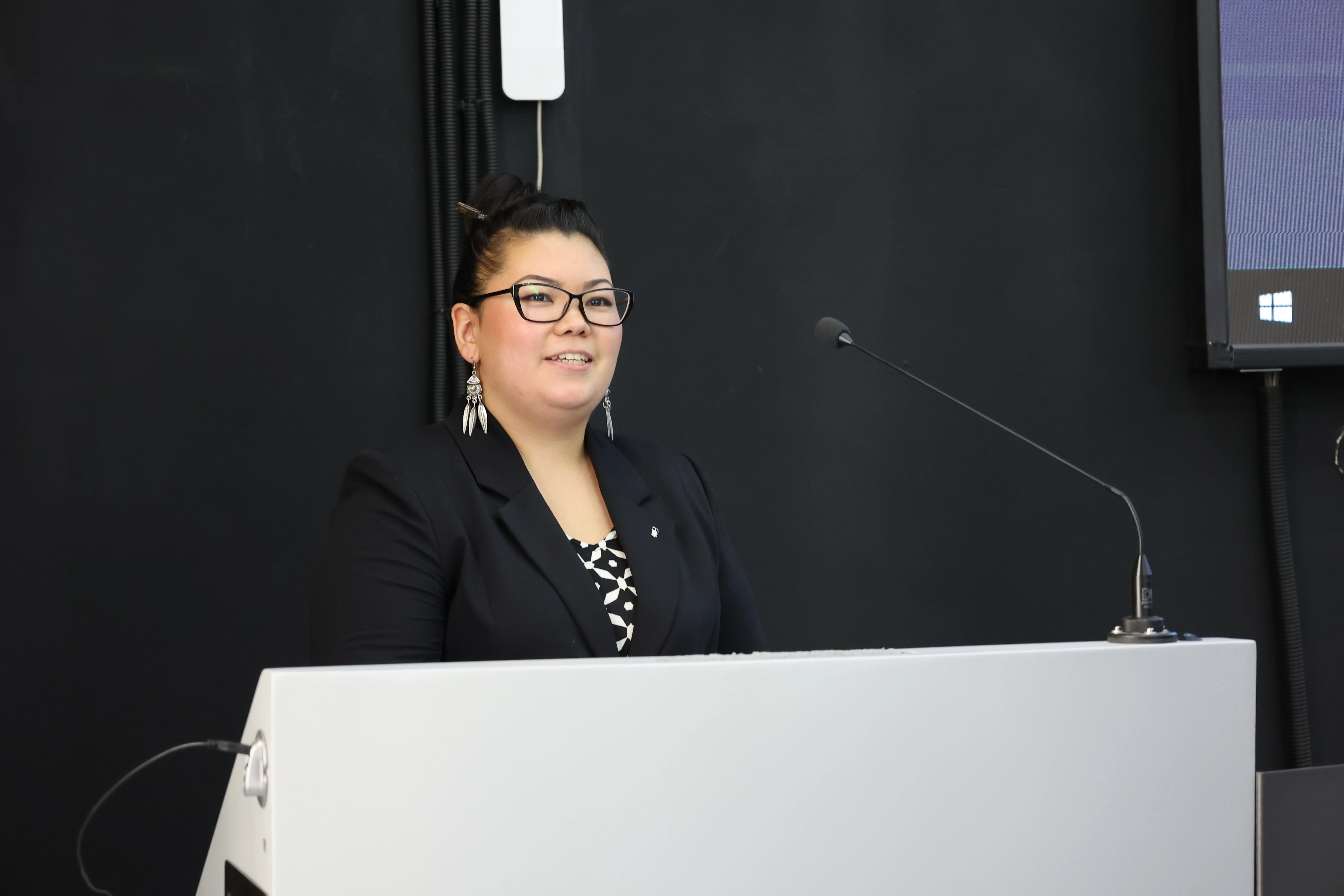
Research
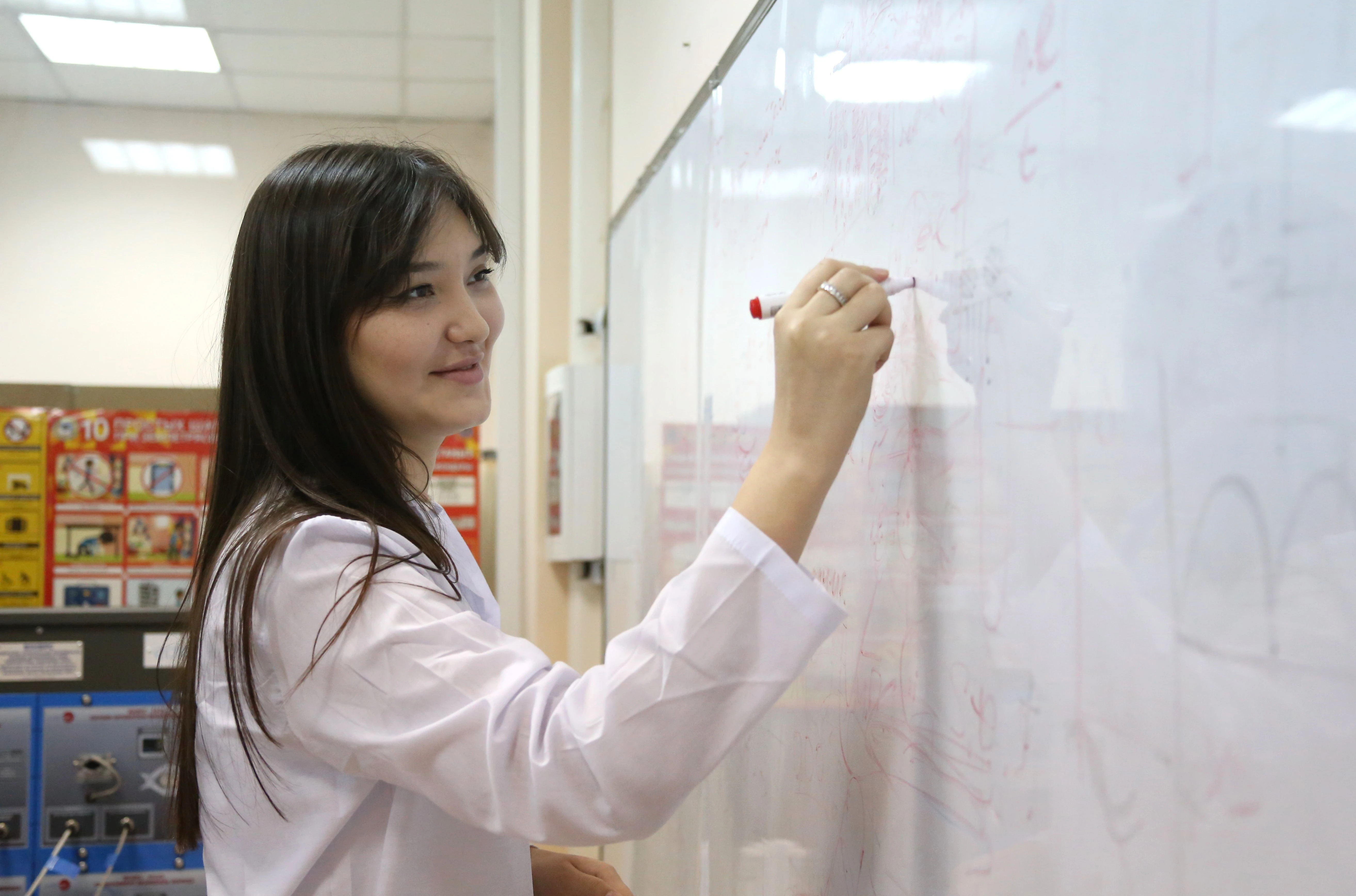
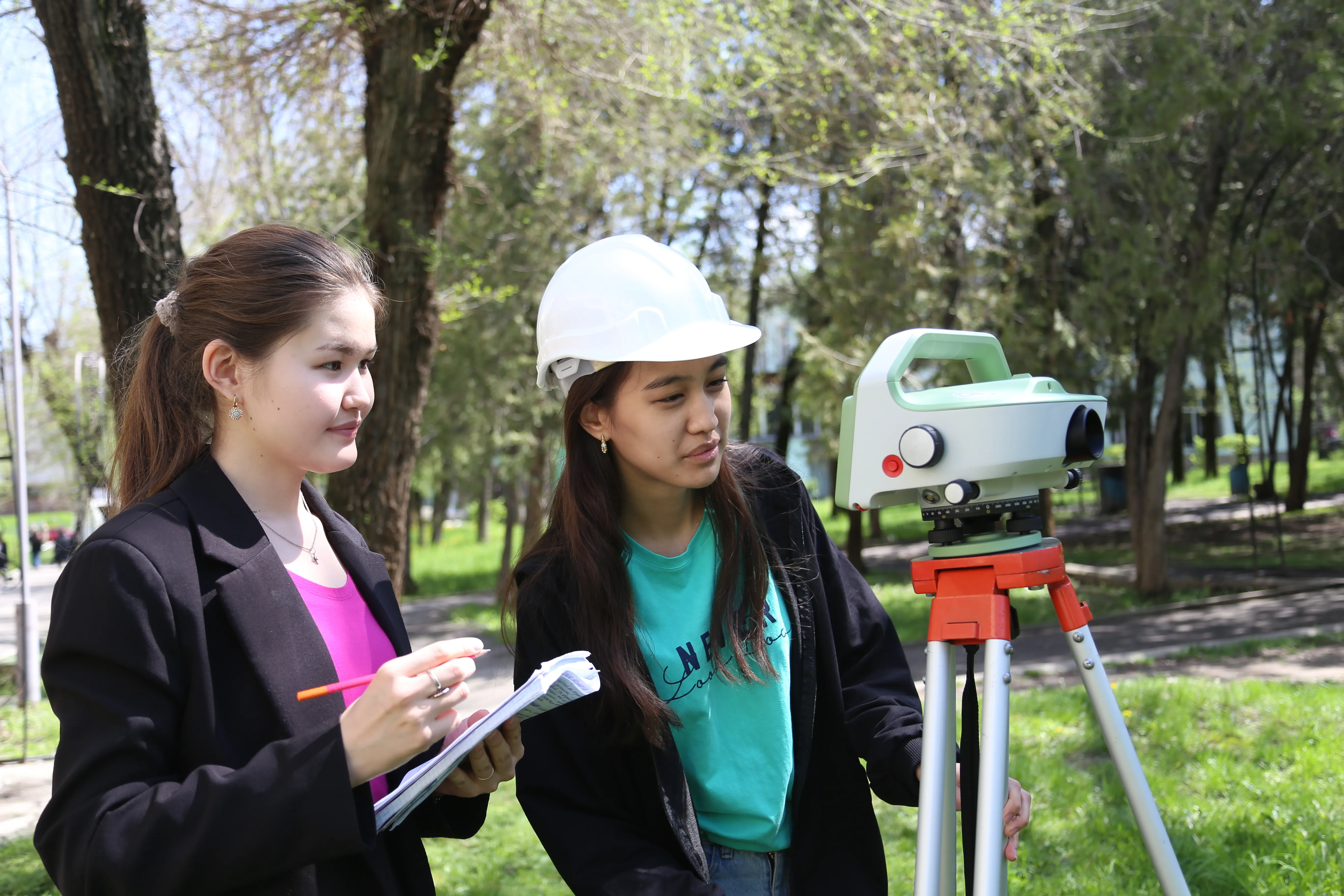
58% of university employees are women. Women at Satbayev University conduct research in materials science, artificial intelligence, energy, and engineering, develop innovative projects, and implement advanced teaching methods. Their work is recognized at international conferences, and their developments find application in industry and future technologies.
One example is the scientific article “Global Digitalization and Women’s Education: Challenges of Implementing the International Agenda in Central Asia”, which examines the issue of gender equality in the context of digital transformation of education in Central Asian countries (Kazakhstan, Kyrgyzstan, Uzbekistan, Tajikistan, Turkmenistan). The authors analyze how international commitments under the UN SDGs (SDG 4 and SDG 5), CEDAW, and the Beijing Platform for Action are implemented at the national level, and why formal recognition of equal rights does not always lead to actual equal access for women and girls to digital education.
The article by S. Azat, Y. Kuldeeva, and S. Kabdrakhmanova “Review of Slow Sand Filtration for Raw Water Treatment with Potential Application in Less-Developed Countries” demonstrates that slow sand filtration technology can become an important tool for sustainable water supply in developing countries. The implementation of SSF has significant potential to advance SDG 5, as it reduces the burden on women and girls related to providing water for their families, contributes to improved health and sanitary safety, expands educational opportunities for girls, and creates conditions for more active involvement of women in water infrastructure management.
Education
Satbayev University contributes to achieving this goal through educational projects aimed at supporting gender equality and expanding women’s participation in science, technology, and innovation. One such project is the launch of the free online course “AI for Her,” developed by experts from Women in Tech Kazakhstan and hosted on the university’s Polytech Online educational platform. The course is designed to enhance women’s digital skills, support their professional growth, and develop leadership qualities in the technology sector. The program is open to anyone who wants to learn about artificial intelligence tools and apply them for personal efficiency, career development, and creating their own innovative projects. This initiative helps create equal opportunities in the digital environment and strengthens women’s participation in technological and innovation processes. Such initiatives create a sustainable educational ecosystem where women have access to resources, knowledge, and opportunities for professional development and leadership on an equal footing with men.
Enroll in the “AI for Her” course