SDG 11. Sustainable Cities and Communities
Satbayev University can particularly convincingly demonstrate its contribution to sustainable cities through engineering, geological, transport, environmental, and digital expertise. For Almaty and other cities of Kazakhstan, this includes seismic safety, transport, engineering infrastructure, resource management, and environmental monitoring.

What does this mean for Satbayev University
The university develops competencies and research important for sustainable urban development: geomonitoring, transport infrastructure, environmental safety, water resource management, energy efficiency, digital city systems, and resilience approaches.
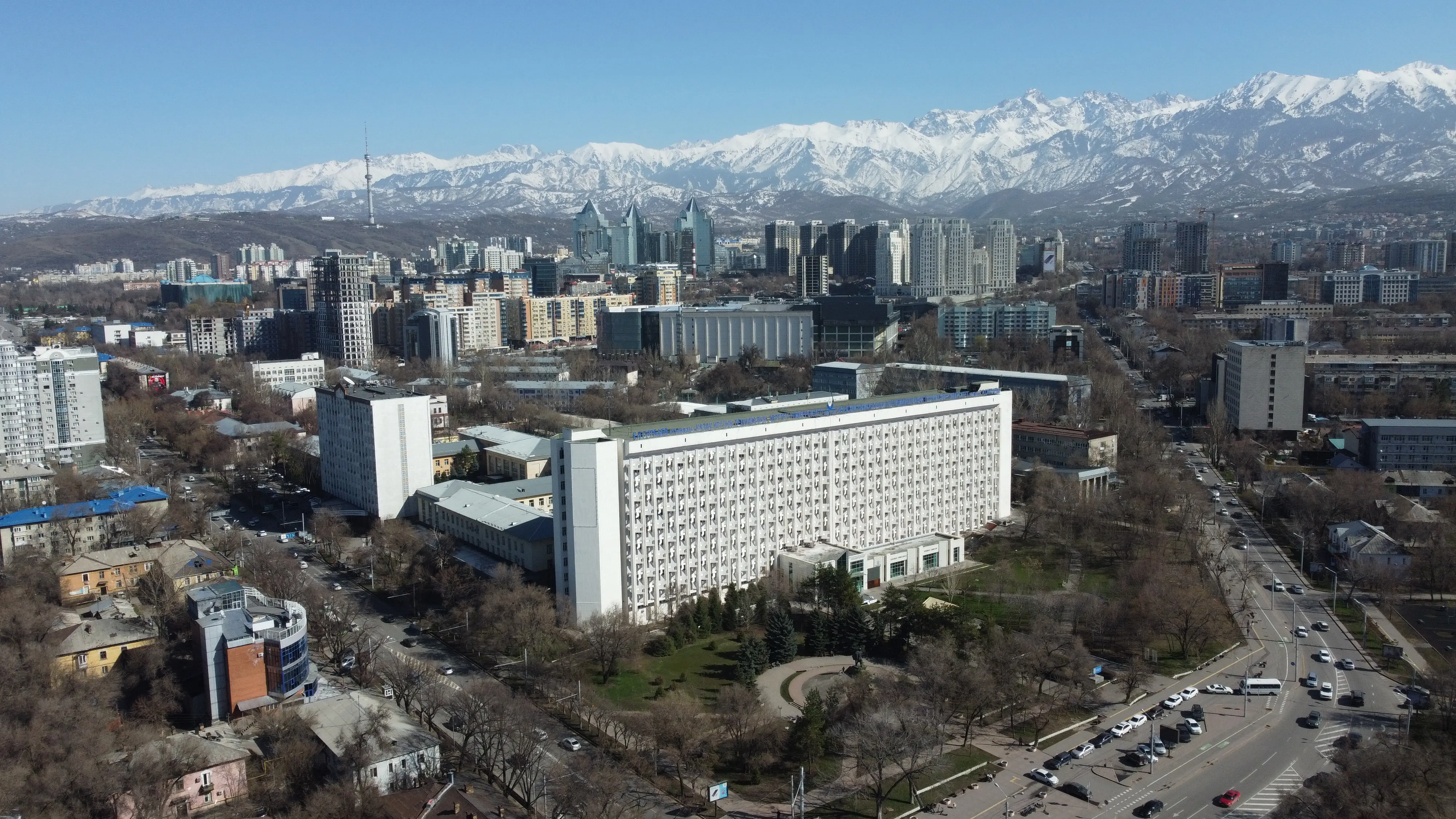
Sustainable environment
The university's contribution to a sustainable urban environment includes:
Partnerships with municipal authorities (e.g., "Zhasyl Almaty") to implement sustainable engineering and digital solutions in city management; Student environmental initiatives aimed at greening and strengthening environmental culture in the metropolis; Scientific research on sustainable architecture and renovation of housing stock ready for application in practical urban planning; Training of professionals capable of solving complex problems of urban infrastructure, ecology, and digital management.
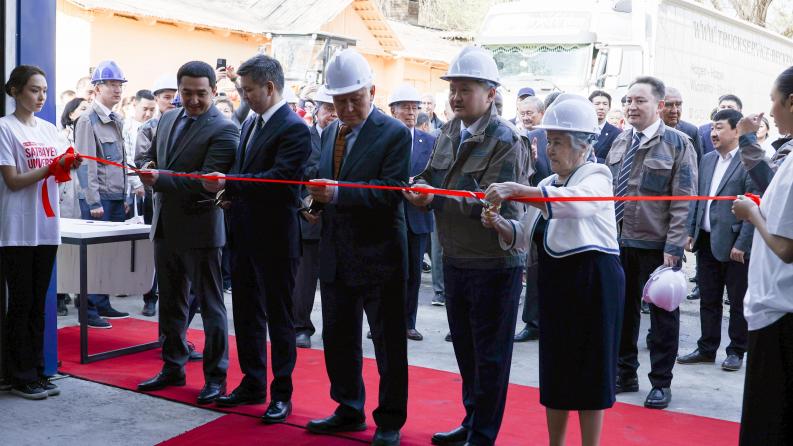
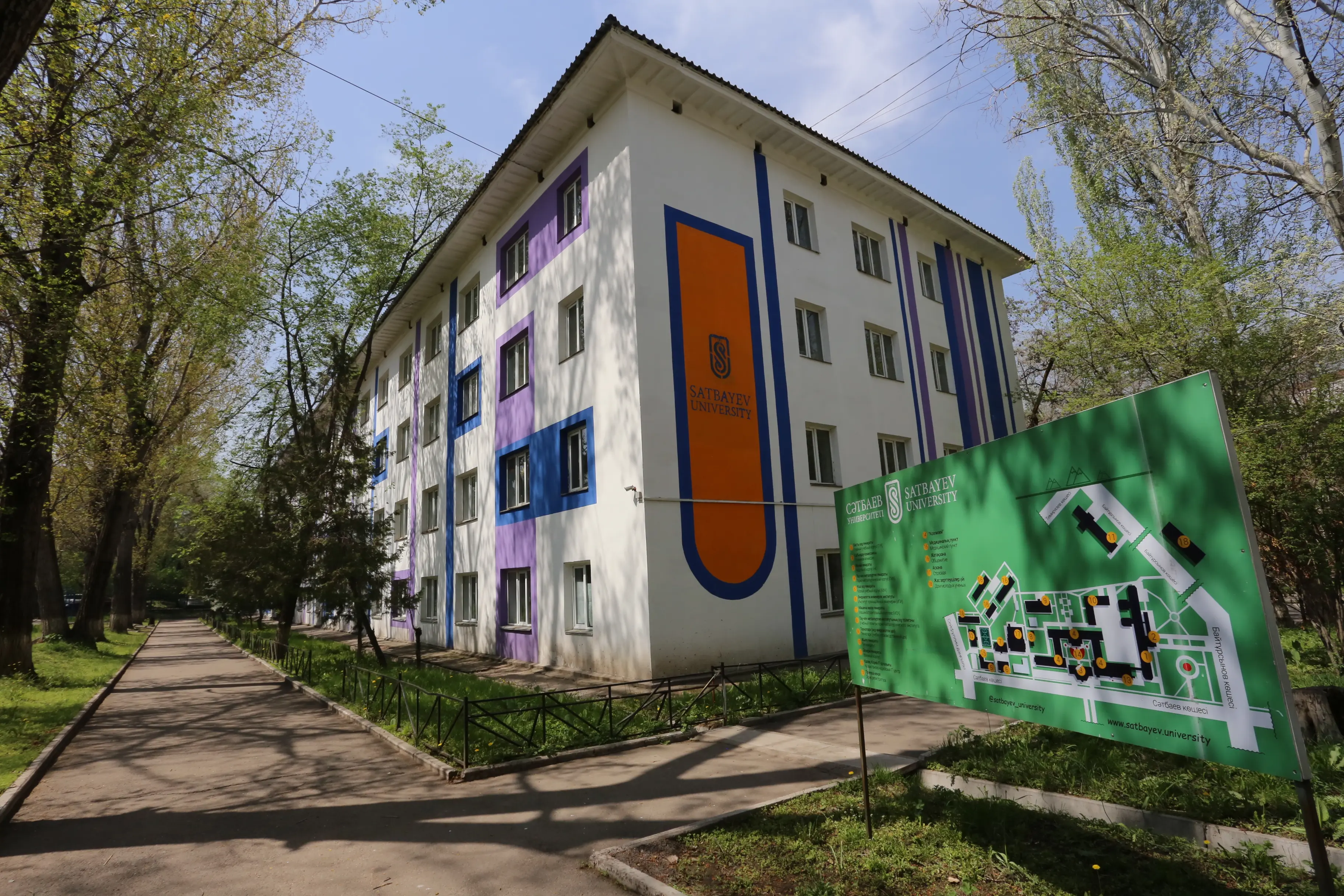
A special contribution to SDG 11 is the "Dos-Mukasan Uiasy" project.
The restoration of the historic dormitory building is an example of protecting and preserving cultural and natural heritage within the university, creating a unique identity for Almaty's urban environment.
We do not just study cities — we design their sustainable future, where engineering innovations serve the safety and comfort of every resident.
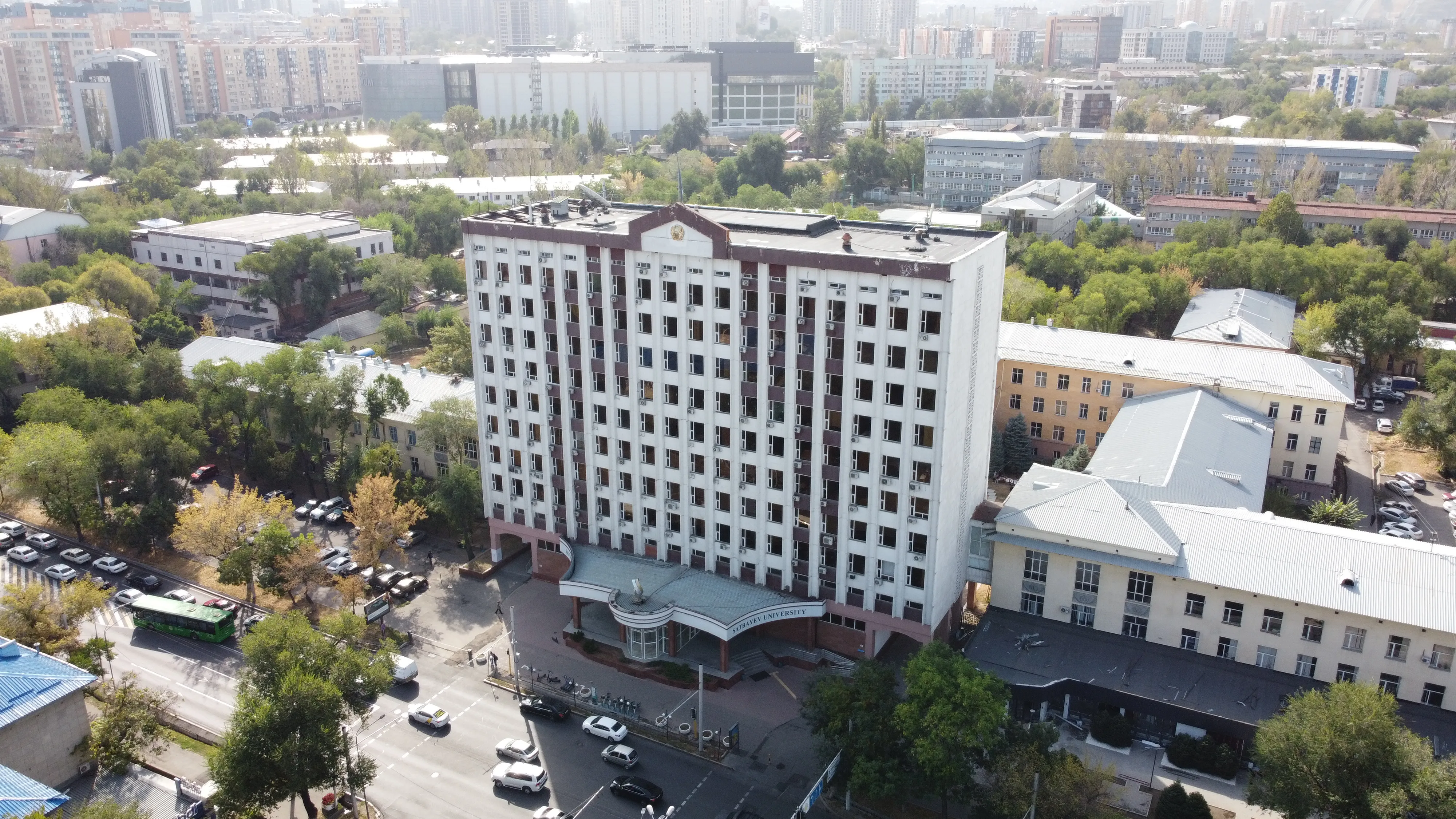
Research
In addition to practical initiatives, Satbayev University actively conducts research and scientific projects aimed at developing solutions for sustainable development of cities and communities. University scientists work on models of engineering and environmental management of urban resources, including analysis of urban transport system efficiency, optimization of natural resource use, and digital approaches to infrastructure monitoring. Research programs develop methods for assessing and improving the climate resilience of buildings and urban development, research on improving the efficiency of water supply and sanitation systems, as well as projects using big data and digital technologies for urban process management. These studies aim to develop evidence-based recommendations for city government bodies and industrial partners, which contributes to the practical implementation of innovations in urban systems, strengthening the quality of the urban environment, improving ecology, and raising the standard of living — key elements of SDG 11 implementation.
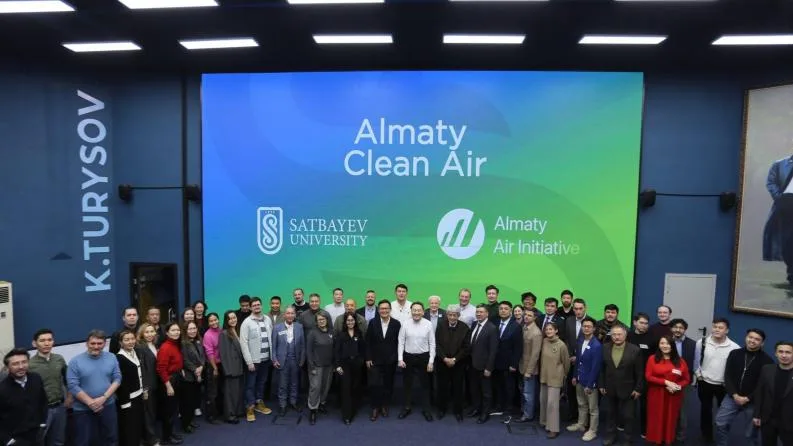
Professionals from different fields gathered at Satbayev University to find a solution to the air pollution problem in AlmatyEducation
Satbayev University offers specialized courses, educational modules, and practice-oriented disciplines aimed at training in-demand specialists in urban planning, transport engineering, environmental management, sustainable architecture, and digital technologies for smart cities. Students participate in student and interdisciplinary projects to develop concepts for sustainable transport systems, energy-efficient buildings, green infrastructure, and urban resource management, and gain experience working with real cases in collaboration with municipal authorities and industrial partners. The university held Kazakhstan's first foresight session on air quality — "Clean Air Almaty". Based on the meeting's outcomes, a document was prepared analyzing key challenges and offering 38 project solutions that can be implemented in the near future.
CLEAN AIR ALMATY: sharing the results of Kazakhstan's first air quality foresight session Satbayev University and Halyk Foundation joined forces in the environmental initiative "Halyk Ormany"